
Understanding Period Poverty
Is my period a luxury? Taxes & Taboos: Why tampons cost so much
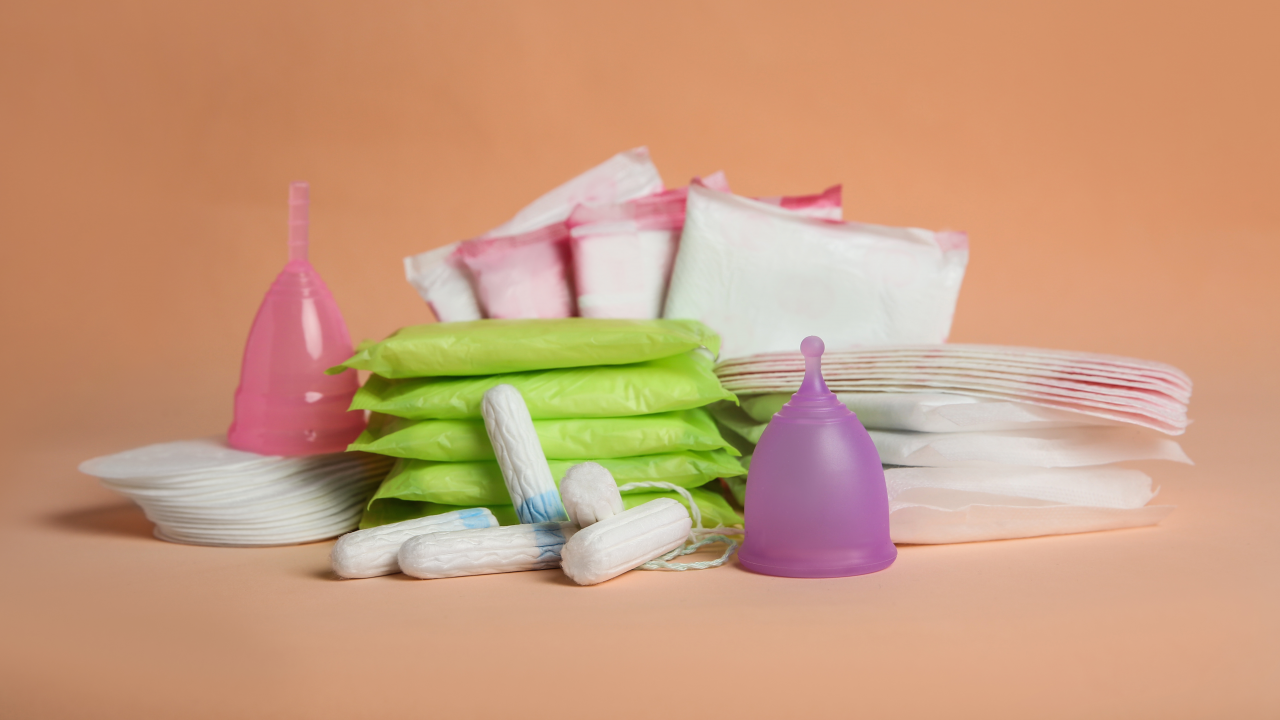
Sometimes a little bit of blood can be such a big deal. “Period Poverty” is a term to describe the insufficient access to menstrual hygiene products like pads, tampons, and menstrual cups. But why does period poverty exist, who does it affect, and what can we do about it?
On the Rag
If you’re on your period right now, you’re not alone. On any given day, at least 375 million people are menstruating. Menstruation is a normal occurrence for more than 2 billion people around the world. However, World Bank Group estimates that more than 300 million of them are unable to afford the products they need. Period poverty is the extensive inability of people to access proper menstrual care. It affects people who can’t afford hygiene tools, facilities, or education—most of whom come from lower-income countries and resort to using unsanitary methods to absorb and clean their blood. Although, in recent years studies have shown that affording period products is also a challenge for high income countries like Germany.
Bleeding Them Dry
WASH United did a survey of menstruators in Germany and found that 23% of women in Germany consider their menstrual products to be a financial burden. Prior to 2020, the value-added tax on menstrual products in Germany was 19% because they were classified as “luxury goods”. After lots of petitions and social media campaigns, the tax was reduced to 7% in 2020. However, panty liners were exempt from this reduction, so manufacturers decided to raise their prices to make up for the reduction of their other products. Typically, 1/3 of women who buy pads and tampons also buy panty liners, and the women who predominantly buy panty liners have been impacted even worse. When packages of pads and tampons typically cost between 10 and 20€, purchasing products every month can begin to add up quickly or take up the majority of someone’s hygiene budget.
Happy Strawberry Week
Stigmatization is a large reason why menstruation is scarcely talked about. Oftentimes, the media does a poor job of accurately representing menstruation. In commercials, it’s common for advertisers to shy away from realism by using blue liquid to simulate period blood, rather than going for a red or brown. Additionally, characters in movies and television rarely mention being on their period, despite them being regular occurrences for half of the world’s population. It took 60 years after the television was invented for American actress Courtney Cox to be the first person to say the word “period” on TV. And, when a character does get their period, the amount of blood is often dramatized, or the experience presented as a horror. Not only is it a rarity to see menstruation in media, but it’s rarely even referred to in everyday life. Instead, people opt for euphemisms like “shark week,” “crimson wave” (Auf der roten Welle surfen), “that time of the month” (Ich habe meine Tage), “aunt flow” (Besuch der roten Tante), and “strawberry week” (Erdbeerwoche).
Frogs, Fallacies, and Fallopian Tubes
Part of this inaccuracy and improper language for periods comes from the lack of knowledge that people received about menstruation. Oftentimes, menstruation is only briefly covered in health or sex education classes. THINX, a period underwear company, and Period.org teamed up to study the perception of periods and they found that 76% of girls felt they knew more about the sections of a frog than the human female body. WASH United is working to fix this. Ina Jurga, the Technical Lead for Menstrual Health and Hygiene at WASH United said, “We developed a guide for period education that anyone who wants to do it, be it organizations or others, can use to conduct group-based education sessions with girls.” But that’s not all! After teachers kept asking what they should do for the boys in their classes, WASH United created a shorter version of the guide for them as well.
It’s That Time of the Month
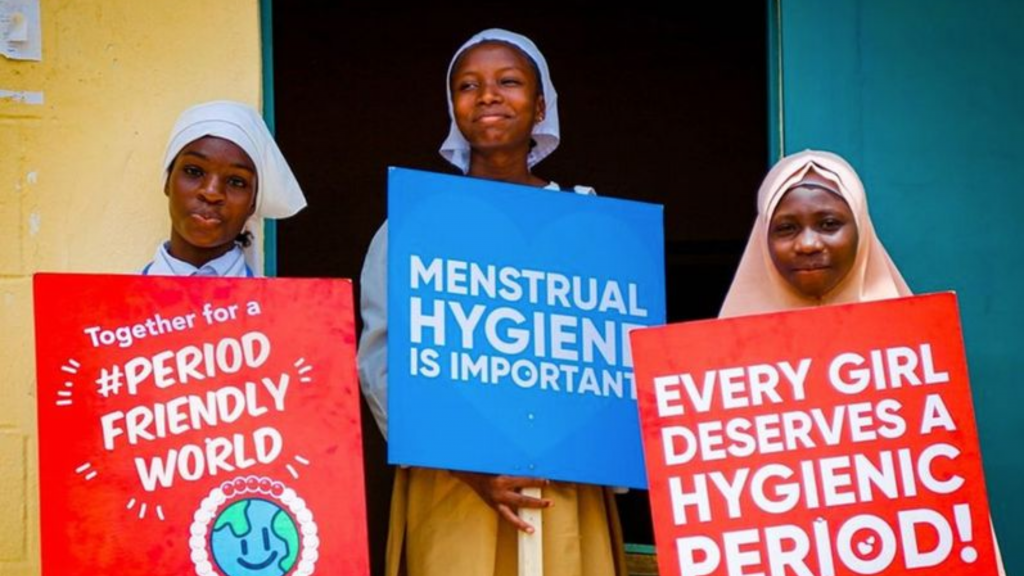
Spreading awareness didn’t stop with a guide to periods. Global Menstrual Hygiene Day (MH Day) was also launched by WASH United, taking place annually on May 28th. Its purpose is to spread awareness of period poverty and the importance of implementing accessible menstrual products. They work all over the world to educate people and address the stigma surrounding periods. MH Day has seen 25,026 pieces of media coverage and has created partnerships with over 1,315 other organizations, bringing change and assistance to thousands of menstruators around the world.
Riding the Crimson Wave
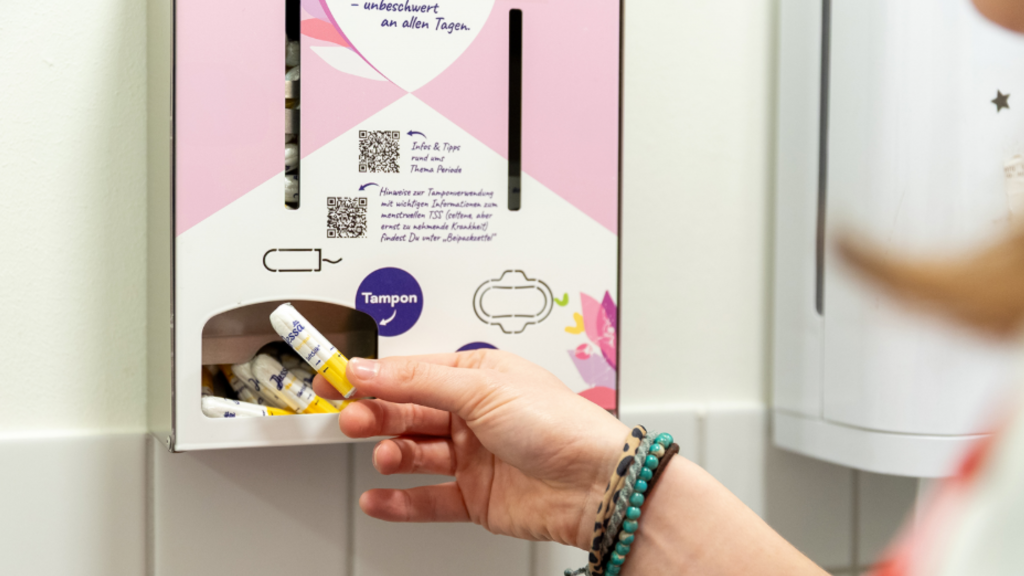
But you don’t have to be a non-profit organization to help create a more period-friendly world. Many schools and their students are beginning to implement change. Scotland is ahead of the curve, being the first country to require free menstrual products in schools by law. While Germany does not have a federal law that recognizes menstrual products as necessities, in Berlin, free tampons and pads are available in schools across eight of the city’s twelve districts. Universities across Germany have begun providing free products in bathrooms as well. This movement is not limited to them. It is something you can also be involved with. Donate to a local menstrual charity or even take the extra step to ask your own school about providing students with free menstrual products. As 300 million people know, menstruating is not luxurious. It is natural. As Scotland, Kenya, and Mexico have learned, pads and tampons are not luxuries. They should be free. Period.