
Is the shooting in Kraków going to influence policy on gun control? – possible policy responses to the tragic event.
Crisis moments, extreme incidents or unexpected events can lead to formulation of new policy problems, and to possible policy changes. Is the tragic event (shotting) in Kraków going to bring any changes regarding gun control policy? If so, how and why would that happen?
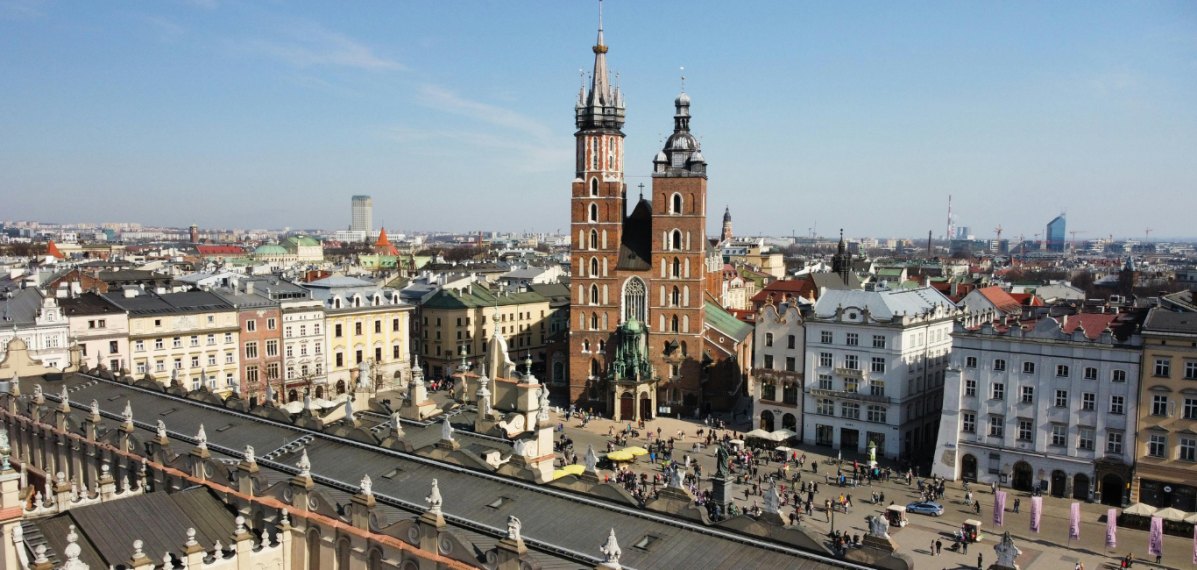
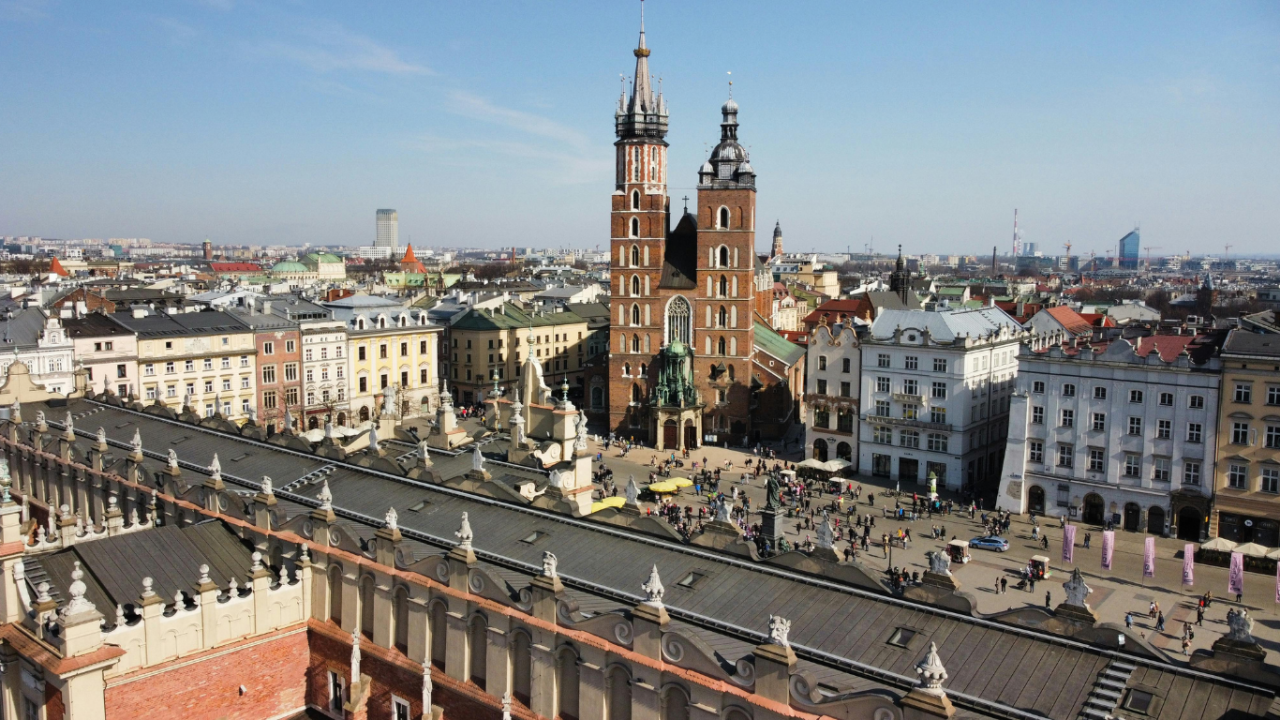
On the 7th of November 2026 at 3pm, a 24 years old polish man, Michał O., drove by car through the old town of Kraków, killing 6 people and injuring 15. In addition, at home of the gunman the police found the dead bodies of his mother, father and sister. This situation was the first shooting with characteristics of terrorism in Poland for many years. It sparked wide fear, anxiety and feeling of insecurity among citizens. As gun incidents are a very rare phenomenon in Poland, the attack posed many question. Especially the fact that the aggressor was legally possessing the weapon he was shooting with. Moreover, at his house there were several more guns that he legally stored there .
Crisis moments, extreme incidents or unexpected events can lead to formulation of new policy problems, and to possible policy changes. Is the tragic event in Kraków going to bring any changes regarding gun control policy? If so, how and why would that happen?
Media reports shape the way we perceive and understand reality. It shapes the way event is understood by people, explained and how scapegoats are identified. In the described case of the shooting in Kraków, most of the media coverage focused on: the sequence of events, the perpetrator (his age identity and possible profile), and victims of the shooting. In addition, some media reports covered investigation and its new findings, witness to the crime, and perpetrator’s family circumstances. The discussion on security matters and gun control was definitely a background noise in the media debate, and occurred only few days after the tragedy.
Interestingly, politicians tried to instrumentalize the events in two ways: questioning if gun permits are issued in a strict enough way (based on the fact that shooter had legal permit for the gun), or advocating for liberalisation of gun policy so people are more familiar with weapons, The tragedy of the event, the shock it brought to the population, did not leave much space in public debate neither to liberalise gun policies nor debate on “tightening” the policy. Grief for the victims and living through the national mourning calmed down political tensions on that issue. Perhaps, the shocking nature of the event pushed politicians to abstain from bargaining on policy agenda.
While we are wondering how a new policy can come to life and who can define what has a chance to become a new policy matter, several scholars have been investigating it. Hurka and Nebel, in 2013, developed a model using discourse network analysis, that analysed school shootings in three different places (Dunblane, UK; Erfurt, Germany; Zug, Switzerland) and policy responses to those. They tried to understand how the same event (a shooting) can lead to different policy responses. They discovered that it depends on two factors: how complex the causes of the problem are perceived to be and how cohesive the advocates of the status quo are.
In their model, shooting is an event that opens a so called ‘policy window’, which is a time-space environment in which policies have a chance to occur. The complexity argument, focuses on how the event is explained – do media mostly focus on issue of gun policy, or have more explainers, which complexifies the picture of the event? The status quo advocates argument tries to disentangle – are groups defending current state of policy in agreement with each other, or is there a room for groups wanting to shift it? They proved that depending on those two factors, in cases of Dunblane, Erfurt and Zug shootings policy responses were totally different – complete ban of guns, incremental adjustment in policy, and no change at all. The same event, different outcomes.
Legally speaking, in Poland, having a permit for gun demands: being at least 21 years old, having done medical and psychological check, having clear criminal records, proving reason for acquiring a gun, and passing a theoretical and practical exam on gun usage. The Polish Prime Minister ordered a review of the current legal regulations. Nonetheless, the government is not transparent on what matter those regulations could be revised or if any major changes are supposed to be introduced. The tragic shooting that happened due to a person who was having permit for a sporting firearm and collected several guns at home gives an incentive to spark a debate on gun control.
Nonetheless, trying to foresee the outcome of policy opportunity after the shooting is challenging. Trying to apply Hurka’s and Nebel’s model – the complexity of issue is quite high, which lowers the opportunity of policy change. Nonetheless, status quo advocates are not intensely cohesive on the matter. While the PM called for widely speaking revision of existing regulations, there is neither an active and vocal interest group that would argue to keep the existing rules nor is there a group that would push for changes. Single voices from the whole political spectrum are being heard, but none of those has a clear agenda setting perspective.